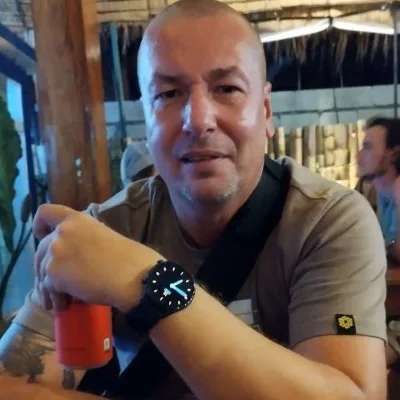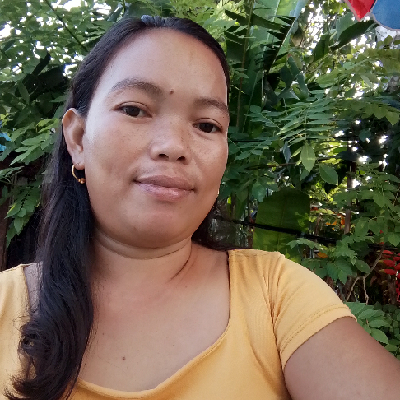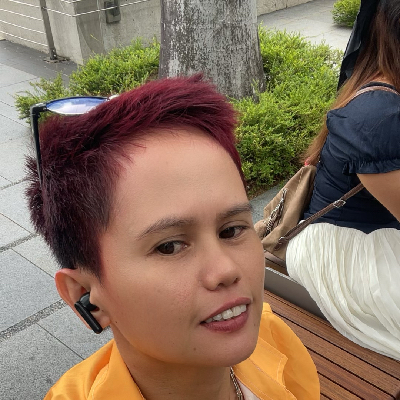
This was a heavy and eye-opening experience for us. Jessa caught me off guard when she told me she’d started a donation drive to help victims of a massive fire in Lapu-Lapu. Over 600 homes in a squatter area were destroyed, leaving more than 5,000 people homeless with virtually no resources. I didn't need much convincing to join her; this was Jessa's project, and I was there to help in any way I could.
We made a pact from the start: every single peso donated would go directly to the victims. We shouldered all the expenses ourselves—fuel, food, and hotel stays—which came to about 7,000 pesos out of our own pockets. Our incredible community raised around 25,000 pesos, and we ended up shopping for over 26,200 pesos worth of essentials to make sure we did as much as possible.
Walking through the fire site was gut-wrenching. Seeing the total destruction of what were people's homes just days prior was overwhelming. Yet, in that classic Philippine spirit, people were still smiling and even asking for photos with us. Their resilience is something I’ll never fully wrap my head around.
However, the process of actually delivering help was a major reality check. Initially, I was impressed by the government's organized shelters and food distribution. But the "system" proved to be incredibly rigid and, frankly, frustrating. We heard they were turning away food like spaghetti because the expiration dates were "too short" and refusing used clothes entirely—only new items were accepted. It felt like a massive coordination failure. Why turn away perfectly good help when people have lost everything?
We also witnessed the "grim differences" of the city; right next to this devastated area was a high-end marina and a rich man's club. The contrast between that wealth and the absolute loss next door was staggering.
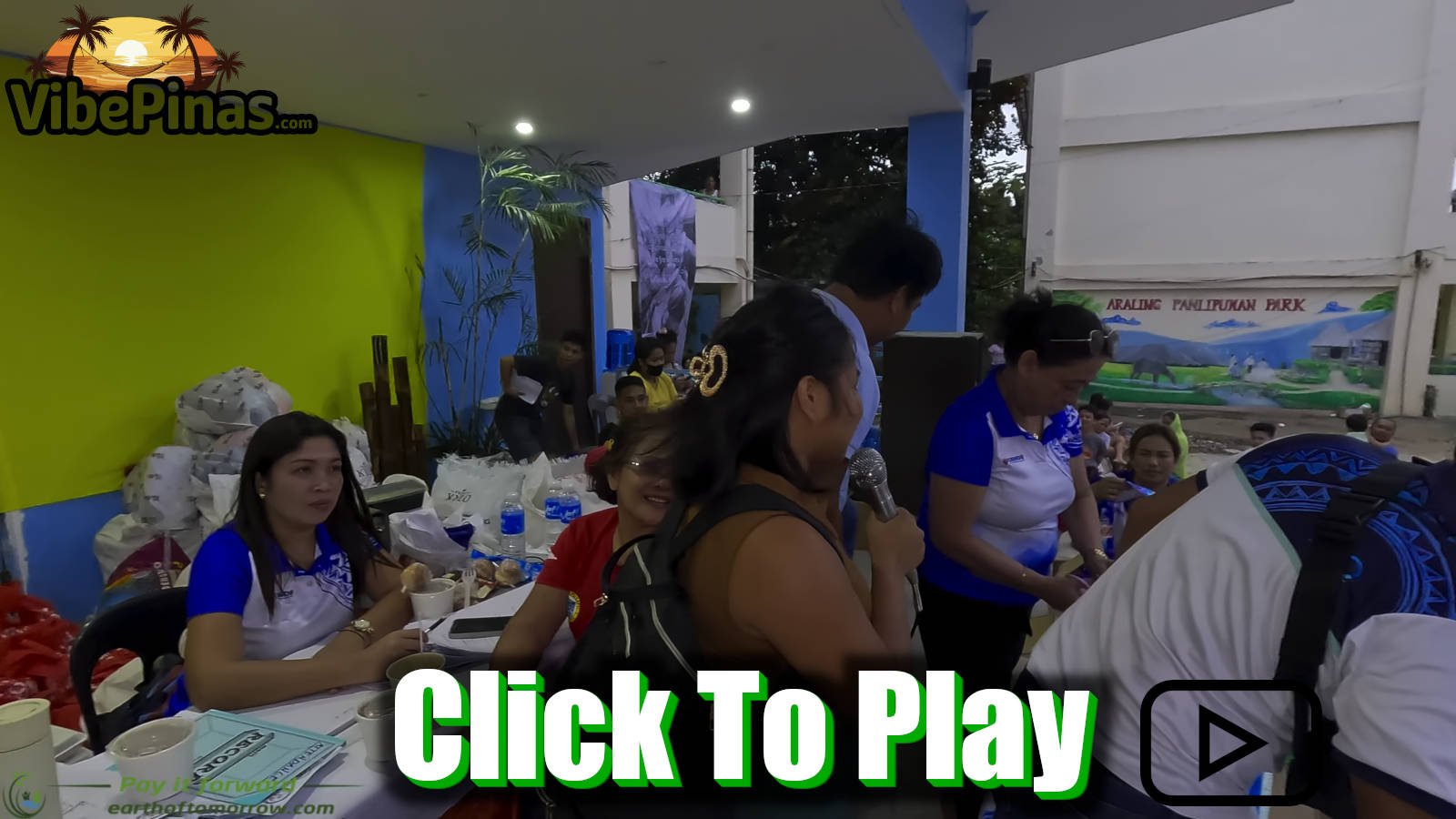
We did our shopping at a mall in Colon to get the best prices on diapers, baby milk, soap, and coffee—items the relief workers said were desperately needed. Our car was packed to the roof. But delivering the items was another hurdle. Coordination was a mess; we were given the wrong destination on a map, and by the time we returned to the camp the next day, most people had been moved. We eventually tracked them down to another facility and were able to hand out some supplies directly on a stage, leaving the rest for official distribution.
To make matters worse, Jessa got scammed during the campaign and had to shut down her GCash, which likely cost us thousands in potential donations. We replaced the stolen 3,100 pesos ourselves, but it was a bitter pill to swallow while trying to do something good.
The experience left me with a deep distrust of large-scale, big-city relief systems. It’s a "hustle," and it's far too difficult for private citizens to help effectively without feeling like the resources might not reach the right hands. While I'm glad we did it, in the future, we’ll stick to smaller, local needs where we can be hands-on and ensure every cent goes exactly where it's intended.
Stay safe out there!