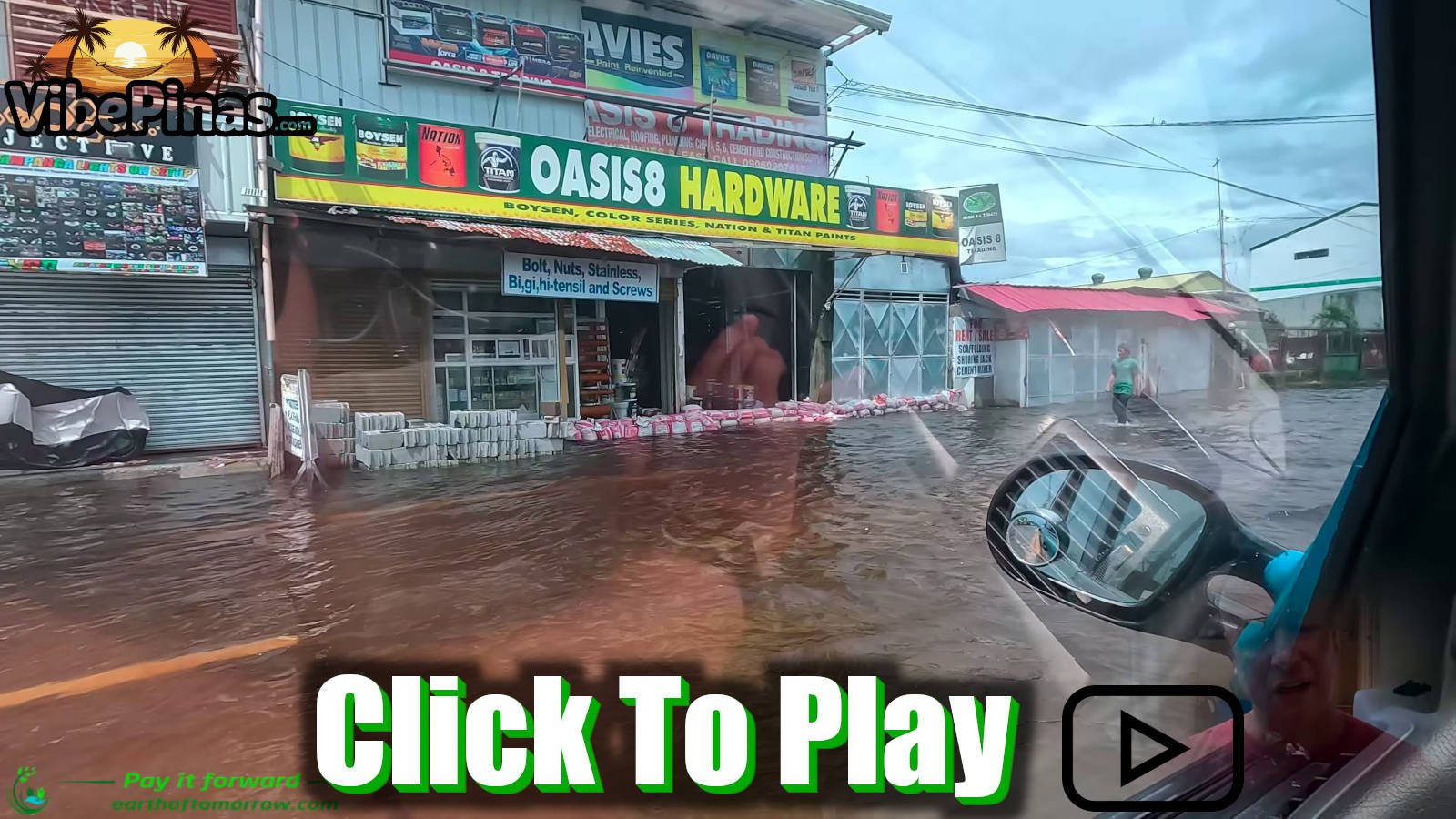
This was a day driven by instinct and a bit of a "been there, done that" fear. We were staying at a hotel in La Union, and while most people were casually swimming in the pool or heading to the beach, Jessa and I were watching the news with growing concern. A Category 4 typhoon, Egay (also known as Doksuri), was heading directly for us. Having survived a previous typhoon that ripped the roof off our house and nearly blew our car off the road, we weren't about to take any chances this time.
My voice was a bit rough, but the mission was clear: we were fleeing. We packed up the car and began the three-hour drive toward Angeles City. I’d rather go the extra mile and be over-prepared than be caught blindly in another storm. We’d already learned our lessons the hard way, so this time we made sure we had everything: we took out extra cash, filled the car with fuel, and stocked up on water and food like tuna and mackerel. The only thing Jessa was still hunting for was a big bag of rice—because in the Philippines, rice is life, especially when you might be stuck indoors for days.
The drive was intense. As soon as we hit the highway, the heavens opened. I had the wipers on full speed, and the visibility was terrible. I had to slow down to 60 or 70 km/h because of the heavy rain and deep puddles. Even in our tall 4x4, I could feel the wind catching the car. It was a stark contrast to the calm scene we’d left at the hotel, and it confirmed that leaving was the right call. We eventually made it to Angeles City, which was only under a Signal 1 warning, making it a much safer "port in the storm" for us.
Later, looking at the news, the devastation was heartbreaking. In Baguio—where we were originally planning to go—the roof of a gymnasium collapsed during a basketball game. I still don't understand why people were out playing sports with a typhoon coming! Power was out for 90% of that city. There were massive landslides, floating houses, and widespread flooding across Northern Luzon. Hearing that people had died and ferries had capsized made me even more thankful that we trusted our gut and moved when we did.
By the time we reached safer ground, we were exhausted. We’ve been on the road for many months now, including our trip to Norway, and this experience was the final sign that it was time to head home to Cebu. We have big plans waiting for us there—renting a larger place, buying land, and finally starting the build on our own house next year.
One of the last hurdles of the trip was navigating through some incredibly deep floodwaters on the way back. At one point, the water was over the hood of the car. It’s a nerve-wracking experience because if you slow down or stop, you’re in real trouble. Luckily, we kept moving and made it through.
This whole experience was a reminder that in the Philippines, you have to take these warnings seriously. Nature doesn't care about your vacation plans. We’re safe, the car is okay, and we’re ready to get back to Cebu to start our next chapter.
See you in the next one!