I’ve spent enough time in the Philippines to see a pattern that really bothers me. I see expats moving here and immediately dropping 800,000K PHP to over a million pesos on these massive, permanent solar installations. They do it for two reasons: either they want to go completely off the grid, or they’re trying to lower their electric bills. But sitting here on my roof deck in the mountains of Ronda, I have to give everyone a serious reality check. A million-peso system is often nothing more than a "sitting duck" for the very disasters—typhoons and earthquakes—that make you need power in the first place.
I’ve seen the horror stories firsthand. A friend of mine spent a million pesos on a solar package, and because the quality of work was so poor, he ended up spending another half a million just to fix the mess. If you’re 65 years old and you spend 1.5 million pesos on a system like that, are you actually saving money? I don’t think so. I’ve also watched the explosion of new vloggers coming to the Philippines, many of them showing off systems that frankly don’t make sense for the reality of life here.
While I do realize that, over 10 years, a system like this will have paid itself off, you still have so many variables in a country like this that, for me, it is not worth it. I prefer to know I have a working emergency system when needed the most and, at the same time, that covers any brownouts.
This video is NOT about the economics of the two choices; it is about what is better for me, why it is so, and also, maybe it is the better route for you?
My approach to life has always been about simplicity leading to happiness, and my solar strategy is no different. I don’t want to be the "completely off-grid guy." I just want a system that works when I need it most, especially during the frequent brownouts we get here in the mountains (once or twice a month, usually 2 to 6 hours each). My solution cost me around 200,000 pesos, but for most people, you can get away with 120K PHP, while never having to worry about brownouts again; plus, if a disaster happens, you have all the power you need to get by for as long as it takes.
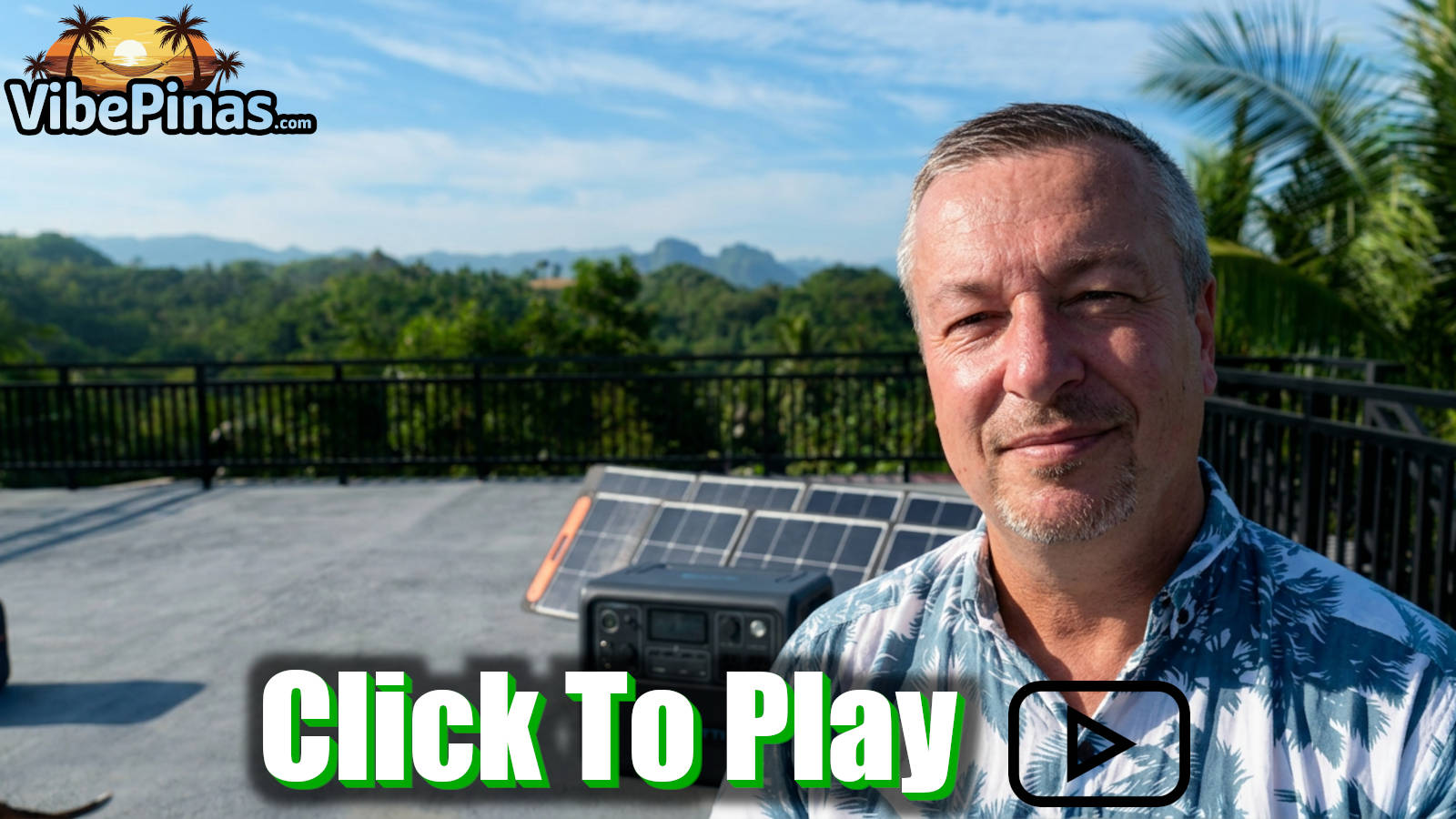
In a major natural disaster like Typhoon Odette—which took out power here for months—a permanent roof installation is highly likely to be damaged or destroyed. My system uses the Bluetti AC200 Premium V2 and two portable 400-watt solar panels. When the sun is out, I lay them on the roof; when a storm is coming, I pack them away. It’s that simple. This setup runs my fridges, my Starlink, my computers, and my fans.
To make it even more robust, I’m adding a second power station and a gasoline inverter generator. I chose gasoline because storing diesel in a tropical climate is a nightmare. This "hybrid" approach means I have clean power for my electronics, solar to recharge during the day, and a generator as a backup if there’s no sun. For about 200,000 pesos, I have total peace of mind and enough power to be comfortable during any disaster.
But the real "bombshell" I wanted to share is the legal trap that almost no one talks about. I saw a vlogger who was told by his installer that because he was "off-grid," he didn’t need a permit. That is 100% false. In the Philippines, you often need at least three different permits for a solar installation, even if you are entirely off-grid. Following bad advice from a seller who just wants your money can lead to heavy fines or being forced to tear your system down after a neighbor reports you.
My message is simple: don't just trust what people tell you. Do your own homework. Whether it’s the cost, the equipment, or the legal requirements, the "brutal truth" is that a smaller, smarter, and portable system is often the better way to survive and thrive in the Philippines.
But hey, that is just my dime on the subject; you might feel different about it, and that is all fine.
After all, we are all different and have different goals in our lives here in the Philippines, but at least let's continue helping each other out☕